News
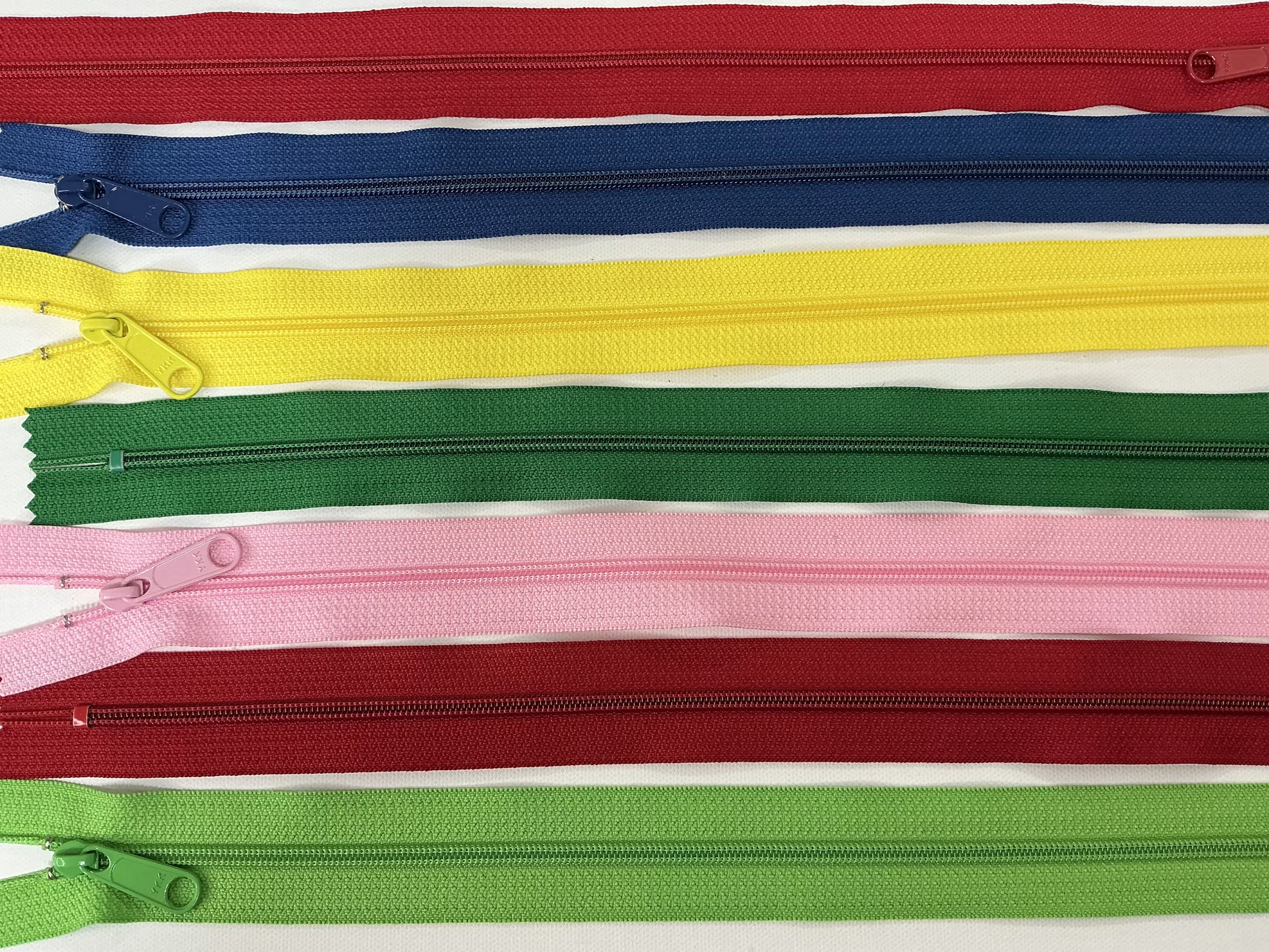
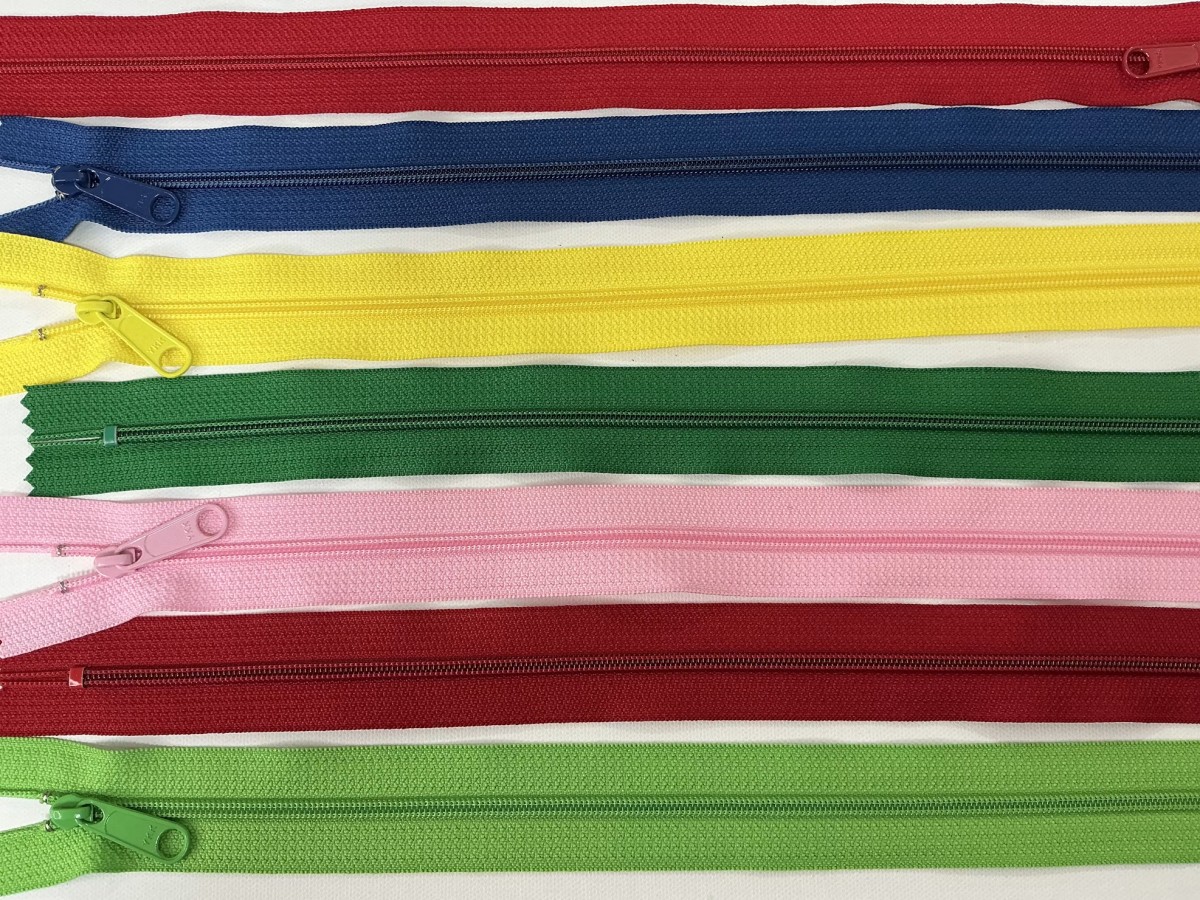
In the textile industry, dyeing is a crucial process for imparting rich colors to fabrics. However, traditional dyeing methods face numerous challenges, including high water consumption and wastewater treatment. With the continuous development of green production concepts, reducing resource consumption in the dyeing process and exploring more sustainable dyeing methods have become a focus of industry attention. In recent years, waterless dyeing technology has gradually entered the industrial application stage, providing a new path for the green development of the textile industry.
1. Limitations of Traditional Dyeing Processes
Traditional dyeing processes heavily rely on water resources. Dyeing one ton of fabric often requires tens of tons of water and generates a certain amount of pollutants, putting pressure on environmental management and resource utilization.
2. Principles and Advantages of Waterless Dyeing Technology
To address this industry challenge, SBS has been collaborating with the Chinese Academy of Sciences since 2011 to develop waterless dyeing technology. This technology uses supercritical carbon dioxide instead of water. Supercritical carbon dioxide combines the solubility of a liquid with the diffusivity of a gas, allowing the dye to fully penetrate the fabric. Anhydrous dyeing has the following advantages: ① Completely waterless; ② No auxiliaries required, and the dye has strong penetration; ③ Fast dyeing speed; ④ Using carbon dioxide as a raw material, it can be collected from industrial emissions and recycled after dyeing.
Related Articles


search
Related Articles
- Protect Your Belongings with Ease: XDK Anti-Theft Zipper PullersJul 03, 2026
- XDK Light Luxury Zippers: Premium Zipper for High-End ApparelJul 03, 2026
- The Charm of Colors: Gradient Design in XDK ZippersJul 03, 2026
- XDK Zipper: What Is Waterless Dyeing Technology?Jul 03, 2026
- XDK nylon silver-plated toothed zipper with anti-jamming bottom stop deviceJul 03, 2026
Leave a Reply

Contacts Us